
How Alvaro Tripled Focus Sim Racing’s Revenue — From Under $10K to Over $20K Per Month — While Doubling Their ROAS
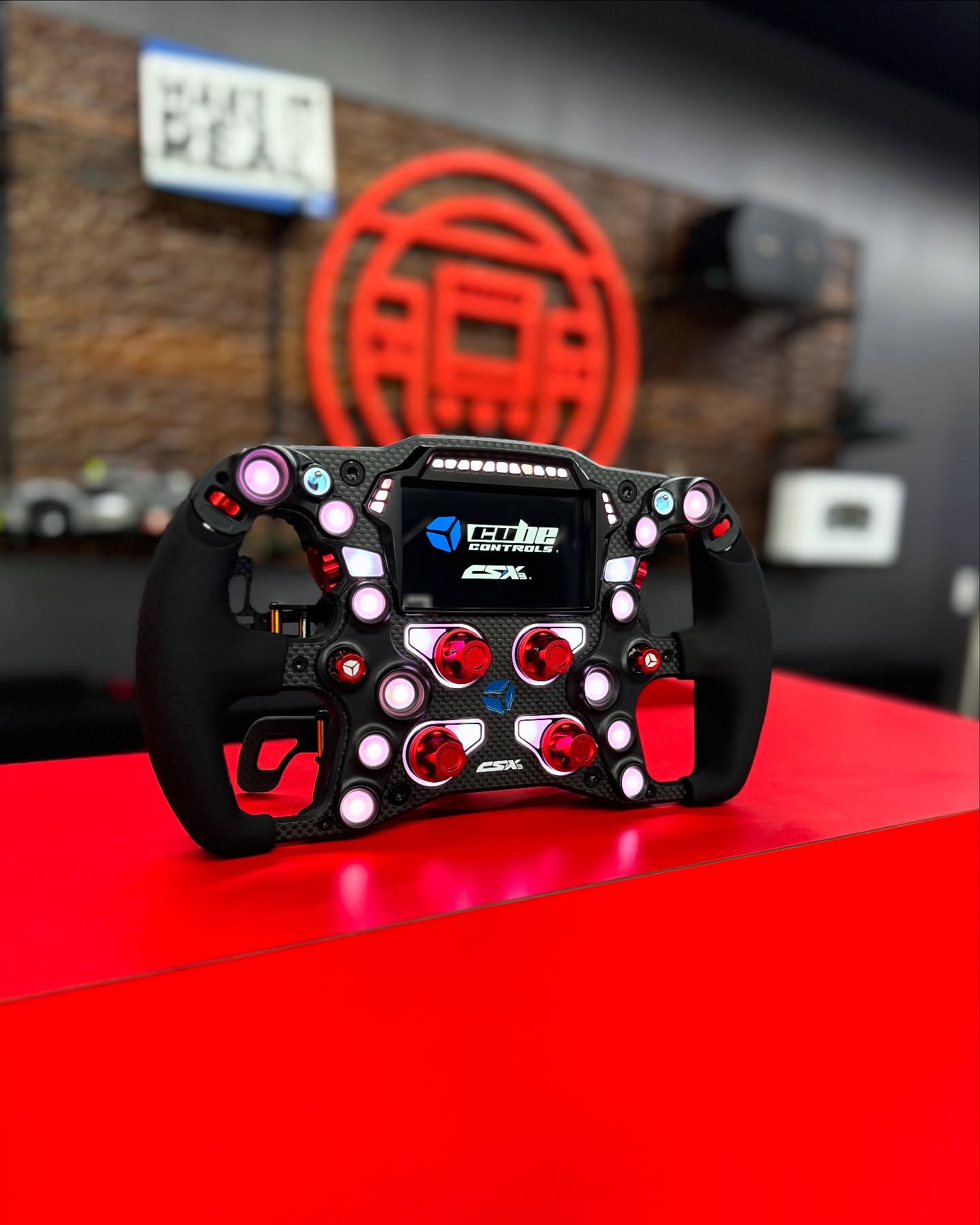
Focus Sim Racing sells products that let racing enthusiasts build their own simulation rigs at home.
We’re talking everything from basic setups — a steering wheel clamped to your desk — to full-blown motion rigs that move every time you turn, brake, or bump into another car.
For seven months, they’d been running Google Ads with a single Performance Max campaign. And here’s the thing: it was profitable. They were making money. The campaigns were working.
But something felt off.
They had no idea what they were actually doing. No clear roadmap for growth. No understanding of what needed to happen to get to the next level.
They were content with profitable… but they knew there was more potential sitting on the table.
That’s when they reached out to Alvaro.
The $190,000 Illusion
Before making any changes to the campaigns, Alvaro did what he always does first: he audited the data.
And that’s when he found the problem.
Google Ads was reporting over $200,000 in revenue value. Impressive, right?
Except when Alvaro compared that number to what was actually showing up in Shopify, the real revenue was less than $10,000 per month.
Google was inflating the numbers by more than 20X.
The tracking wasn’t just off. It was completely broken.
Focus Sim Racing had been making decisions based on phantom data for seven months. They thought certain campaigns were crushing it when in reality, they had no idea what was working and what was burning money.
The cost per acquisition that Google reported? Less than $1.
The actual cost per acquisition? Well, they’d find out soon enough.
Step One: Fix The Foundation
Before optimizing a single campaign, Alvaro had to fix the conversion tracking.
He went into the native Google tag and made modifications that would allow more accurate data to flow between Google and Shopify. Within two days, the tracking was clean.
Now they could see reality.
And reality looked different than what Google had been showing them.
But at least now they had a foundation to build on. Real data. Accurate numbers. A clear picture of what was actually happening.
Time to get to work.
Rebuilding the Performance Max Campaign
Focus Sim Racing’s Performance Max campaign was profitable. But it wasn’t set up optimally.
The biggest problem? It contained a single asset group promoting all of the products in their entire store.
Here’s why that’s an issue: Performance Max works best when you give Google’s algorithm clear, focused asset groups for different product categories. That way, it can match the right ad to the right person at the right time.
But when you have one giant asset group trying to promote everything from steering wheels to pedals to full motion rigs? The algorithm gets confused. It can’t effectively pair the perfect ad with the perfect searcher.
So Alvaro rebuilt the campaign around Focus Sim Racing’s top-selling brand: Moza.
Moza is known for creating some of the highest-quality products in the sim racing space. And Focus Sim Racing’s customers were searching for Moza products more than any other brand.
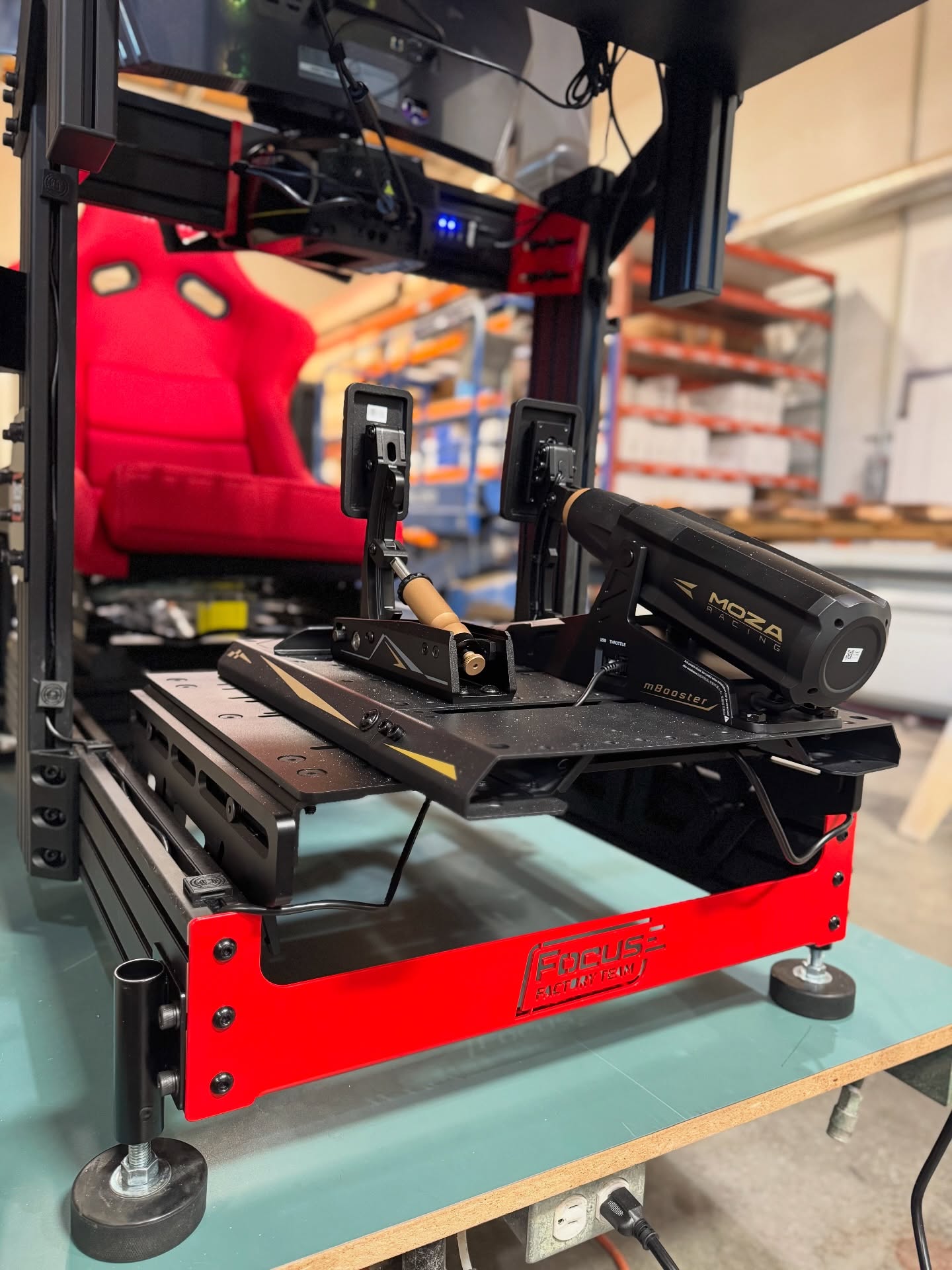
Alvaro created separate asset groups for the top-selling Moza products:
1. Moza steering wheels
2. Moza wheel bases
3. Moza brakes
4. Moza accessories
Each asset group contained assets specific to that product category. All images and videos about steering wheels went into the steering wheel asset group. All headlines and copy about brakes went into the brake asset group.
This laser focus allowed Performance Max to do what it does best: show the right ad to the right person searching for exactly what they want.
The results? The campaign’s performance improved immediately. Profitability went up.
But Alvaro wasn’t done yet.
Adding the missing piece: Shopping Campaigns
Here’s what surprised Alvaro: Focus Sim Racing had never run a Shopping campaign.
Not once.
For an e-commerce store selling physical products that people actively search for on Google? That’s leaving massive amounts of money on the table.
So Alvaro built out two Shopping campaigns — one for Moza products, one for their second most popular brand, Fanatec.
For the Moza Shopping campaign, he took the same approach he’d used with Performance Max: separate ad groups for different product categories.
1. Steering wheels in one ad group
2. Brakes in another
3. Wheel bases in their own ad group
4. Accessories grouped together
This structure gave Google clear signals about what to show when someone searched for “Moza steering wheel” versus “Moza pedals.”
Once the Moza Shopping campaign went live, daily orders jumped. Monthly revenue climbed.
And then Alvaro launched the Fanatec Shopping campaign using the same strategic structure.
The impact was immediate.
The Numbers that Changed Everything
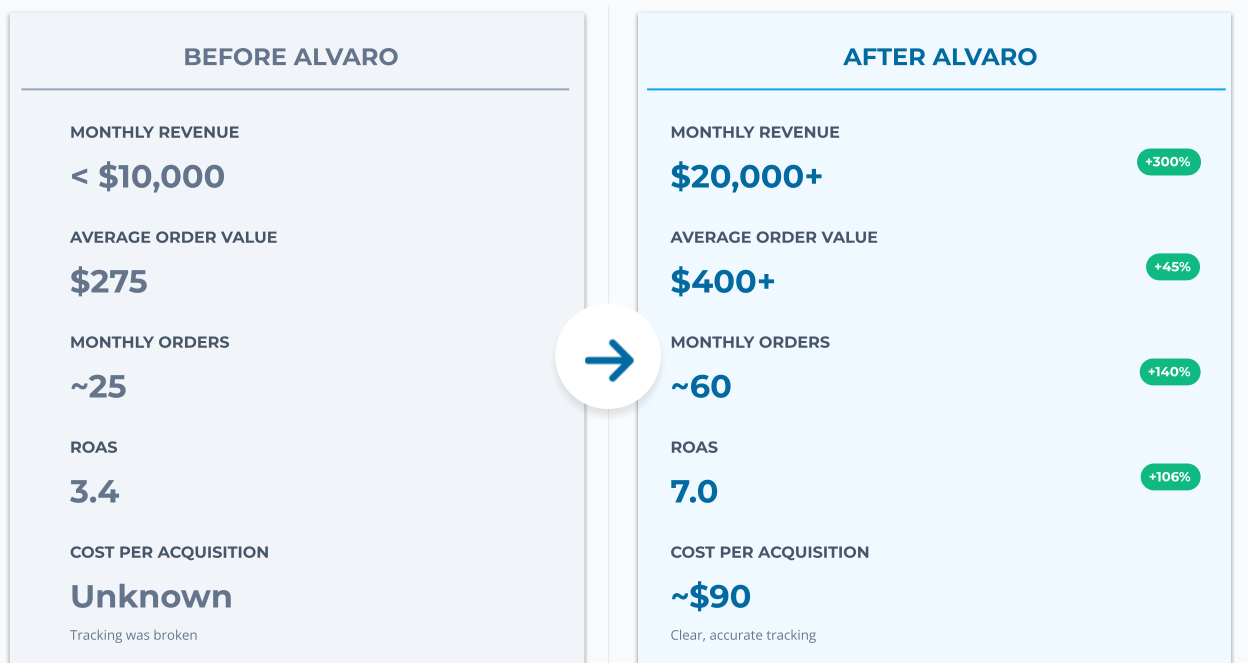
Let’s talk about that ROAS for a second.
Focus Sim Racing went from a 3.4 return on ad spend to a 7.0 return on ad spend. That means for every dollar they spend on ads, they’re getting back seven dollars in revenue.
But here’s what’s even more impressive: they’re not just getting more customers. They’re getting higher-value customers.
The average order value jumped from $275 to over $400. That’s a 45% increase in how much each customer spends per transaction.
And the Moza Shopping campaign? That’s been the star performer. With certain asset groups — like the one for Moza wheel bases — crushing it at a 19.75 ROAS.
Yes, you read that right.
Nearly 20X return on ad spend for that specific product category.
What Makes Sim Racers Different
Sim racing enthusiasts are a unique breed.
They’re not looking for the cheapest option. They’re not price shopping. They’re looking for quality, performance, and the ability to customize their setup exactly how they want it.
They’re willing to spend serious money to build the perfect rig tailored to their needs. Some spend a few hundred dollars. Others drop $10,000 or more on a full motion setup.
This meant that optimizing for the right audience — people actively searching for premium brands like Moza and Fanatec — was crucial.
And by structuring the campaigns to put the right products in front of the right searchers at the right time, Alvaro unlocked growth that had been sitting there all along.
The Path Forward
With monthly ad spend around $6,000-$7,000, Focus Sim Racing is generating over $20,000 in revenue consistently.
But here’s the exciting part: there’s so much more room to scale.
Even with spend under $10K per month, the campaigns are performing at a level that suggests they could scale to $50,000 per month in 2026 while maintaining profitability.
Focus Sim Racing now has something they didn’t have seven months ago: clarity.
They know what’s working. They know what’s not. They know exactly where their revenue is coming from and how much each customer is worth.
And most importantly, they have a clear, profitable path forward for scaling their business to heights they couldn’t have imagined when they were staring at those inflated Google Ads numbers wondering what was real and what wasn’t.
Want to talk to Alvaro about how he can help you scale your e-commerce business with Google Ads?